Some of the things that make up a home are hard to quantify, yet they can increase its appeal, comfort, or prestige in the eyes of both owners and buyers.
These features contribute to what is generally termed a property’s perceived value—the overall impression it conveys—rather than directly affecting its market value or sale price.
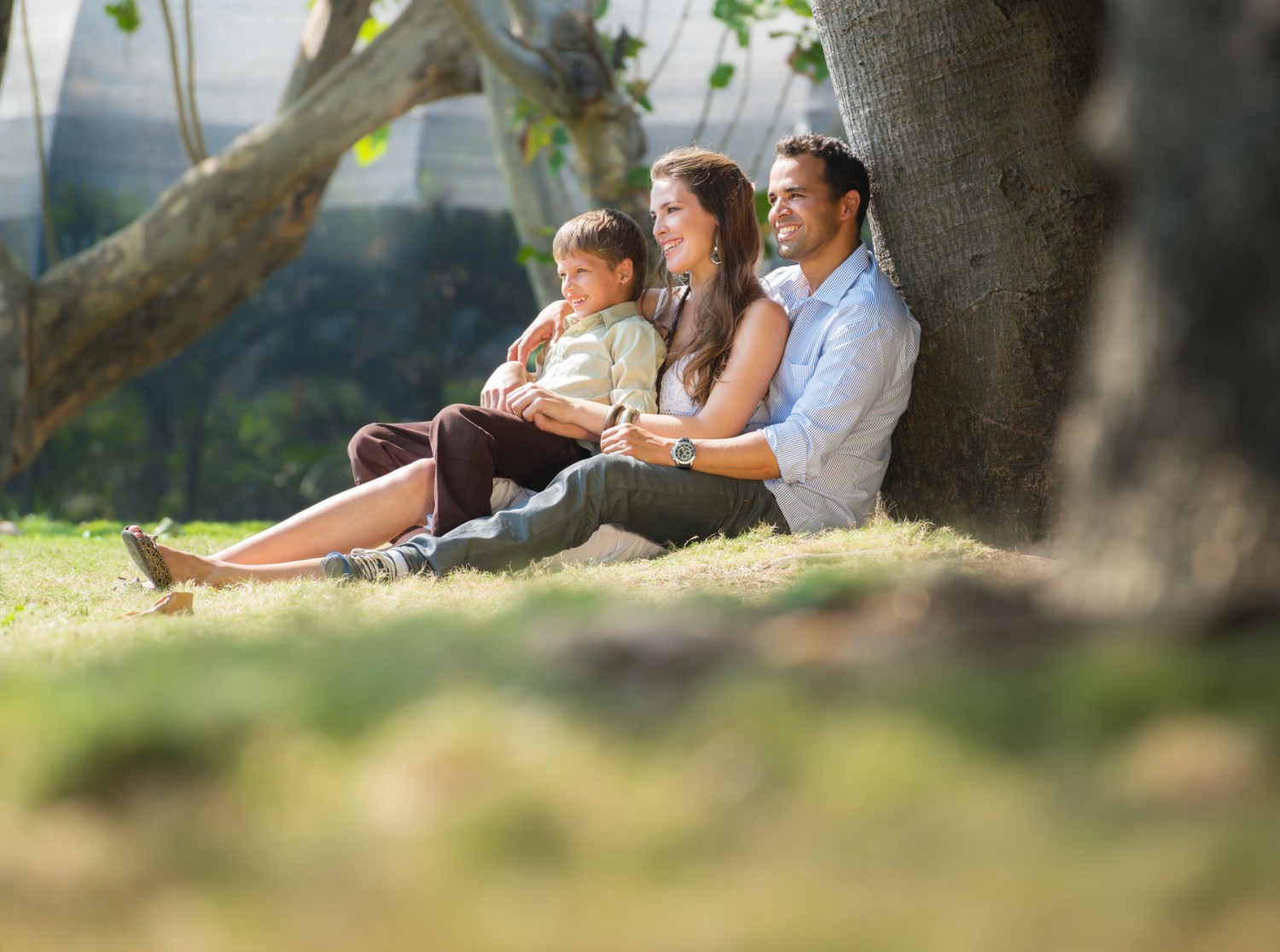
Trees, in particular, can play an important role in shaping people’s opinion of a residence by giving it character as well as by providing shade, privacy, and greenery.
The Leaves Provide Shade and Fertilizer
A strategically positioned tree can make a real difference on hot days. By shading part of the house, the patio, or the backyard, it limits direct sun exposure and helps to cool down certain areas.
When planted near an exterior wall, it can shield certain windows from direct sunlight.
A deciduous tree also offers another benefit in autumn: the falling leaves become fertilizer for the soil. As they decompose, they release nutrients that can nourish the tree and other surrounding plants.
However, having a lot of mature trees means that homeowners have to spend time clearing up fallen leaves to keep the yard tidy and stop them from pilling up on the lawn or clogging the gutters.
They Help Reduce Heat Islands
A yard that is entirely paved with flagstones, concrete, or asphalt can reach scorching temperatures during the height of summer. Trees work to reduce this heat by creating shade and releasing water vapour through their leaves.
In a neighbourhood with a lot of hard surfaces, a property surrounded by vegetation can definitely make for a much more pleasant outdoor environment. This quality-of-life feature will likely become even more popular among homeowners as the number and intensity of heatwaves increase.
They Contribute to Rainwater Management
Trees also perform an interesting function during heavy rainfall. Their foliage intercepts some of the precipitation, while their roots pull water into the soil.
This can help to reduce the flow of runoff towards paved areas and drainage systems. Therefore, in a well-thought-out landscape design, trees can form part of a more comprehensive water management strategy, in tandem with flower beds, shrubs, and permeable surfaces.
They Give a Property Character
A tree can completely transform a home’s appearance. It frames a main entrance, adds structure to a yard, provides privacy, and conveys a sense of stability and permanence.
Conversely, potential buyers may be put off by the coldness of a new build’s barren lot, despite the fact that the house itself is magnificent. This is why the advantage of mature vegetation often proves hard to replicate: it requires years, or even decades, to achieve the same effect.
A Tree’s Added Value Depends on Its Location
Determining the exact worth of a tree when selling a house can be tricky. That’s why homeowners shouldn’t assume that a mature tree will automatically improve their property’s market value.
Planting a tree is a long-term investment. As such, deciding its location solely based on its dimensions at the time of purchase isn’t recommended.
Before you start digging, consider some of the following:
- its height and width when fully grown;
- the possible extent of its root system;
- its distance from the house and foundation;
- its proximity to power lines;
- the lot’s underground infrastructure and various other features;
- your municipality’s bylaws;
- its needs regarding sunlight, water, and space.
The right tree, in the right spot, can be a real asset. By contrast, a tree planted in the wrong place can lead to maintenance or safety issues.
An Investment That Grows Over Time
Unlike a renovation, the results of which are immediately apparent, a tree grows in stature and value slowly over time. Buyers are undoubtedly drawn to properties with well-established, decades-old trees, as purchasing and planting mature trees can cost several hundred dollars.
For a homeowner, therefore, planting a tree today also means thinking about the home of tomorrow.